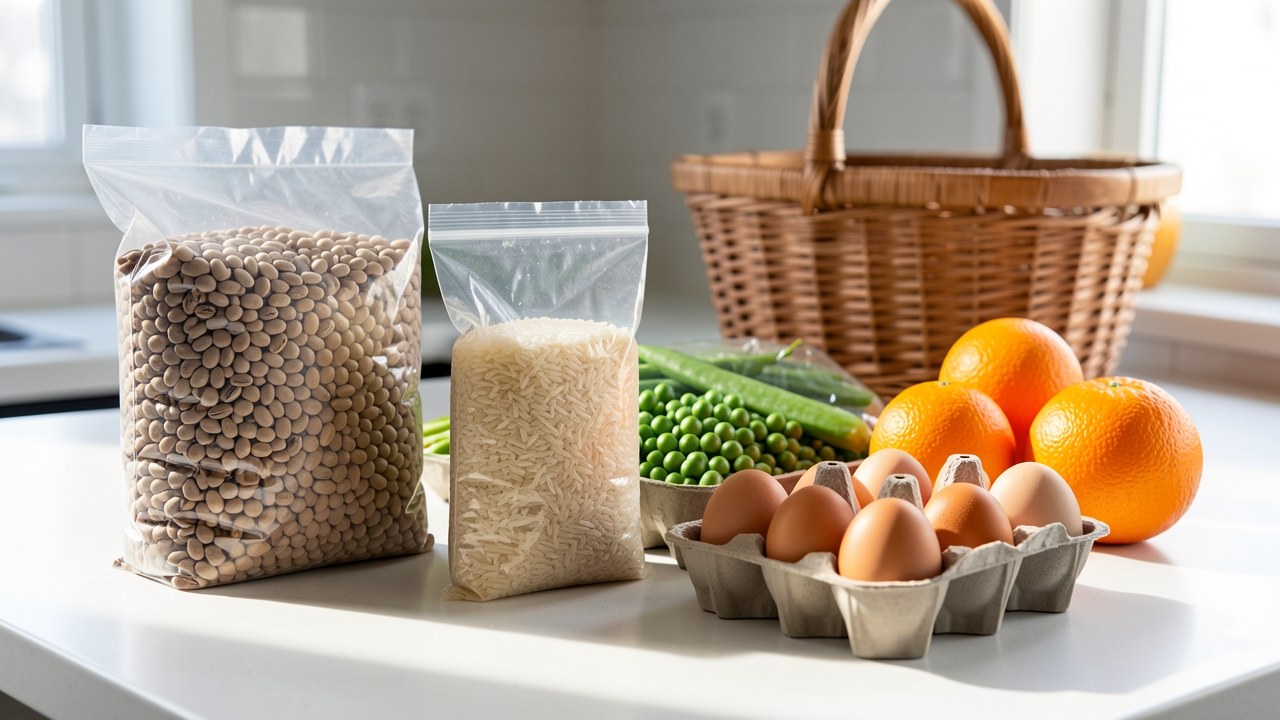
The Myth That Healthy Food Is Expensive
Many people believe that eating well costs a fortune, but that's not the whole story. While some specialty health foods carry premium price tags, many nutrient-dense staples are surprisingly affordable. A balanced diet that supports normal immune function can be built from budget-friendly items like beans, lentils, eggs, and seasonal produce.
The key is to focus on whole foods that provide a variety of nutrients without the marketing markup. You don't need to buy every superfood or exotic berry; ordinary fruits, vegetables, and pantry staples can do the job when eaten regularly as part of a varied diet.
- A single food cannot 'boost' immunity dramatically; rather, a balanced diet rich in fruits, vegetables, whole grains, lean proteins, and healthy fats supports immune function over time.
- Affordable staples like beans, lentils, and canned fish offer protein and important nutrients without breaking the bank.
- Seasonal and store-brand items are often lower in cost while still providing the same nutritional benefits.
Sources: CU Anschutz Health and Wellness Center, The Ohio State University Comprehensive Cancer Center
Budget-Friendly Immune-Supporting Foods
When money is tight, you can still fill your cart with foods that nourish your immune system. Nutrient-dense options that are typically inexpensive include citrus fruits, leafy greens, bell peppers, sweet potatoes, mushrooms, garlic, beans, and lentils. These foods provide vitamins, minerals, and antioxidants that help your body maintain normal immune defenses.
For example, citrus fruits like oranges and grapefruit are well-known for their vitamin C content, which contributes to immune function. Leafy greens such as spinach and kale are also rich in vitamin C and other beneficial compounds. And don't overlook canned tuna, which offers vitamin D and omega-3 fatty acids on a budget.
- Citrus fruits (oranges, grapefruits, tangerines, lemons, limes) are rich in vitamin C.
- Leafy greens (spinach, kale, collard greens) provide vitamin C, antioxidants, and beta-carotene.
- Garlic contains allicin, a compound that may help fight bacteria and viruses.
- Sweet potatoes are a good source of vitamin A, which the body needs to protect cells and fight germs.
- Mushrooms provide selenium, zinc, and B vitamins, plus some vitamin D.
- Beans and lentils are affordable plant-based proteins that support immune cell production.
- Bell peppers and broccoli are also budget-friendly sources of vitamin C.
Sources: Franciscan Health, Brown University Health, CU Anschutz Health and Wellness Center, UC Health, The Ohio State University Comprehensive Cancer Center, Food Science & Nutrition (Wiley)
Shopping Tips to Reduce Costs
Smart shopping strategies can help you stretch your food dollars while still buying nutritious ingredients. Start by planning meals around sales and seasonal produce. Buying in bulk for staples like beans and rice is often cheaper per serving. Choose store brands over name brands for many items—they are usually comparable in quality but cost less.
Don't overlook frozen and canned options. Frozen vegetables are a convenient and affordable way to keep produce on hand and can help reduce food waste. Canned beans and canned fish are also budget-friendly and have long shelf lives, making them pantry heroes.
- Plan meals around weekly sales and seasonal produce.
- Buy staple items like beans, rice, and oats in bulk.
- Opt for store brands when possible.
- Keep frozen vegetables in the freezer for quick, nutritious sides.
- Use canned beans and canned fish for economical protein sources.
Sources: The Ohio State University Comprehensive Cancer Center, Schnucks
Meal Prep and Storage Strategies
Once you've brought home your budget-friendly foods, smart meal prep and storage can help reduce waste and save money. Cooking in batches and portioning meals for the week ensures you have healthy options ready when you're busy and less likely to order takeout. Proper storage—like using airtight containers and freezing leftovers—extends the life of your food.
For example, cook a large pot of bean soup or lentil stew and freeze individual servings. Pre-wash and chop vegetables like bell peppers and broccoli, then store them in the fridge for quick snacks or stir-fries. With a little planning, you can make the most of every ingredient.
- Batch-cook hearty soups, stews, and chilis using beans and lentils.
- Chop fresh vegetables in advance for easy additions to meals.
- Freeze portions of cooked meals for future busy days.
- Store leafy greens properly to keep them crisp longer.
Sources: The Ohio State University Comprehensive Cancer Center, Schnucks
Sample Budget Meal Combos
Putting it all together, here are a few simple meal combinations that are kind to your wallet and supportive of immune health. These are ideas, not exact recipes—you can adjust based on what's on sale or in your pantry.
For breakfast, try oatmeal topped with citrus segments and a spoonful of peanut butter, or scrambled eggs with sautéed spinach and a slice of whole-grain toast. For lunch, a bean and vegetable soup with a side salad of leafy greens and bell peppers, or a tuna wrap with shredded carrots and lettuce. For dinner, baked sweet potato topped with chili made from beans and canned tomatoes, or grilled chicken with roasted mushrooms and a side of steamed broccoli.
- Breakfast: Oatmeal with orange slices and a handful of almonds.
- Lunch: Lentil soup with a spinach salad and lemon vinaigrette.
- Dinner: Baked sweet potato with black bean chili and a side of sautéed collard greens.
- Snack: Greek yogurt with tangerine segments, or hummus with bell pepper strips.
Sources: CU Anschutz Health and Wellness Center, Franciscan Health, The Ohio State University Comprehensive Cancer Center
Frequently asked questions
Are frozen vegetables as nutritious as fresh ones?
Frozen vegetables are a budget-friendly option because they last longer and reduce food waste. The research we reviewed does not include evidence comparing their nutrient content to fresh, so that comparison should not be stated as fact.
Sources: SchnucksWhat are the cheapest sources of vitamin C?
Citrus fruits, bell peppers, and broccoli are among the cheapest sources of vitamin C. These foods are widely available and typically low in cost, especially when bought in season or frozen. Incorporating them into your meals is an easy way to support your immune system without spending much.
Sources: UC HealthIs canned fish a good option?
Yes, canned fish like tuna is a good budget-friendly option. It provides protein, vitamin D, and omega-3 fatty acids, which are beneficial for overall health and immune function. Canned fish is shelf-stable, affordable, and convenient for quick meals like sandwiches and salads.
Sources: UC HealthSources
- Budget-Friendly Immunity Boosting Foods - Schnucks — Schnucks
- Immune-Boosting Foods — Franciscan Health
- Twelve Affordable, Immune-Supporting Foods — The Ohio State University Comprehensive Cancer Center
- Foods to Boost Your Immune System — Brown University Health
- The Truth About Immune-Boosting Foods: What Really Works? — CU Anschutz Health and Wellness Center
- Choose Foods that Boost Your Immunity and Fight Infection — UC Health
- Common foods for boosting human immunity: A review - PMC — Food Science & Nutrition (Wiley)