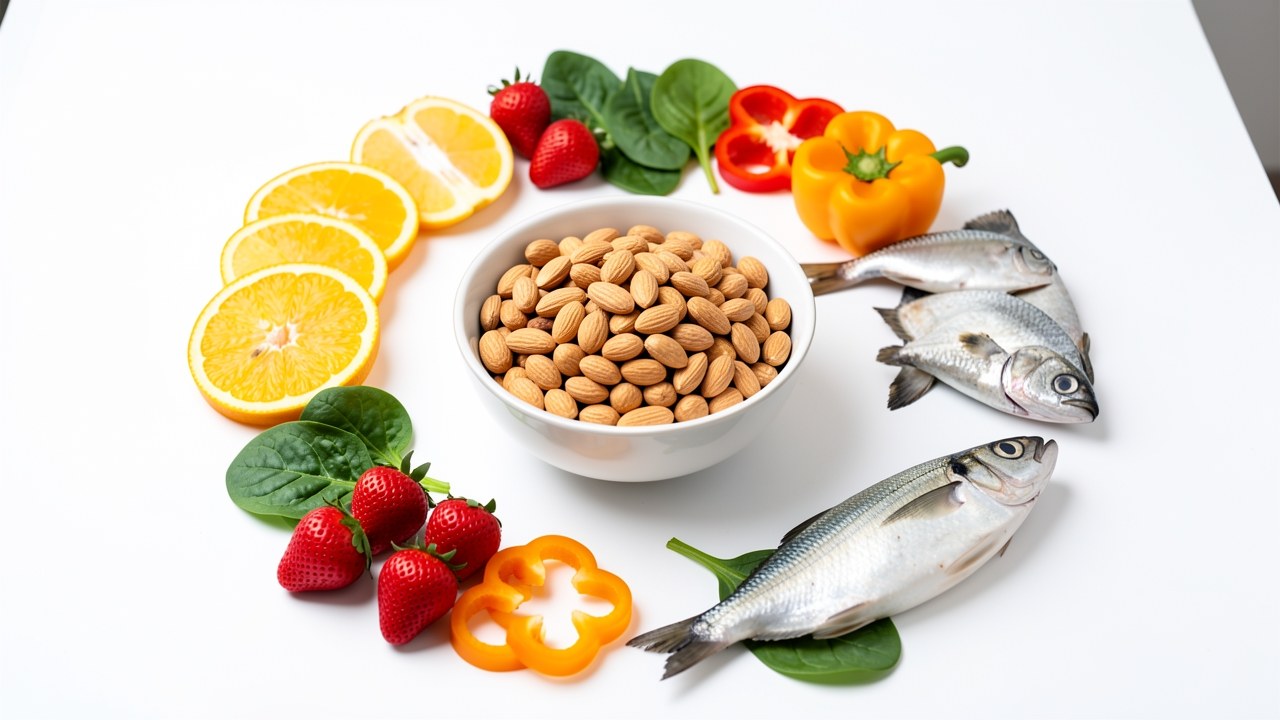
How Micronutrients Support Immune Function
The immune system is a complex network of cells and proteins that defend the body against infection. To function effectively, it requires a variety of vitamins and minerals, often called micronutrients. These nutrients do not act in isolation; they work together to support the development and activity of immune cells, produce antibodies, and regulate inflammation.
A deficiency in any of these key nutrients can impair immune responses, making you more susceptible to infections. Rather than focusing on single "superfoods," a balanced diet that consistently provides essential nutrients is the most reliable way to support your immune health.
Sources: Brown University Health, National Institutes of Health (NIH), Office of Dietary Supplements (ODS)
Introduction to Immune-Supporting Nutrients
Several vitamins and minerals have well-documented roles in immune function. This guide covers the most important ones: vitamin A, vitamin C, vitamin D, vitamin E, zinc, selenium, iron, and copper. It also touches on B vitamins and other beneficial compounds like omega-3 fatty acids, antioxidants, and protein.
Each nutrient has a distinct role, and they often interact. For example, vitamin D helps regulate immune responses, while zinc is needed for immune cell development. Consuming a varied diet that includes fruits, vegetables, lean proteins, and whole grains is the best strategy to get these nutrients in the right amounts.
Sources: National Institutes of Health (NIH), Office of Dietary Supplements (ODS), Harvard T.H. Chan School of Public Health
Vitamins: A, C, D, E, B6, B12, Folate
Vitamins are either water-soluble (C and B vitamins) or fat-soluble (A, D, E). Each plays a unique role in maintaining a healthy immune system.
- Vitamin A: Helps keep tissues in the respiratory tract, intestines, and skin healthy, creating barriers against infection. Food sources include carrots, pumpkin, cantaloupe, butternut squash, and animal sources like fish, meat, organ meats, and dairy.
- Vitamin C: Supports various cellular functions of the immune system. It may also help shorten the duration of colds but does not prevent illness. Good sources include citrus fruits, berries, tomatoes, broccoli, and bell peppers. Red bell peppers contain about three times as much vitamin C as an orange.
- Vitamin D: Modulates both innate and adaptive immune responses; deficiency is associated with increased susceptibility to infection. Your body makes vitamin D from sun exposure, and it is also in fatty fish, fish liver oils, beef liver, cheese, egg yolks, and fortified milk.
- Vitamin E: A fat-soluble antioxidant that protects cells from oxidative damage and supports immune function. Almonds, sunflower seeds, and other nuts are rich sources. A half-cup serving of almonds (about 46 almonds) provides about the recommended daily allowance for vitamin E.
- Vitamin B6: Needed for the creation of new red blood cells and supports immune function. Poultry, fish, and chickpeas are good sources.
- Vitamin B12: Supports the production of immune cells. Good sources include fish, meat, poultry, eggs, and fortified plant-based milks.
- Folate (Vitamin B9): Supports the production and function of immune cells. Leafy greens, legumes, and fortified grains are excellent sources.
Sources: Cleveland Clinic, Mayo Clinic Health System, Brown University Health, U.S. National Library of Medicine (PubMed Central), National Institutes of Health (NIH), Office of Dietary Supplements (ODS)
Minerals: Zinc, Iron, Selenium, Copper
Minerals are equally essential. They often act as cofactors for enzymes or as structural components of immune cells.
- Zinc: Critical for immune cell development and function. Deficiency impairs immune function, increasing susceptibility to infection. Found in poultry, seafood, nuts, and seeds.
- Iron: A component of enzymes important for immune cell function; inadequate iron impairs immune response. However, iron also plays a complex role in infection: while too little can weaken immunity, too much can promote pathogen growth. Therefore, maintaining a balanced iron status is crucial. Food sources include red meat, poultry, fish, beans, and lentils.
- Selenium: Acts as an antioxidant, helping to regulate immune responses and protect against oxidative stress. Found in nuts (especially Brazil nuts), sunflower seeds, and mushrooms.
- Copper: A trace mineral that supports immune function, though its exact role is less defined. Food sources include shellfish, nuts, seeds, and organ meats.
Sources: Cleveland Clinic, Brown University Health, U.S. National Library of Medicine (PubMed Central), National Institutes of Health (NIH), Office of Dietary Supplements (ODS), Harvard T.H. Chan School of Public Health
Other Compounds: Omega-3s, Antioxidants, and Protein
Beyond vitamins and minerals, other dietary components contribute to immune health. Antioxidants, including vitamins C and E and selenium, protect immune cells from oxidative damage, helping them function properly. Omega-3 fatty acids, found in fatty fish like salmon, have anti-inflammatory properties that may support immune cell function. Protein is also essential for building and repairing tissues and producing antibodies. Probiotics, beneficial bacteria found in yogurt, may support immunity through the gut microbiome.
Sources: Cleveland Clinic, Mayo Clinic Health System, Brown University Health, National Institutes of Health (NIH), Office of Dietary Supplements (ODS)
Putting It Together: Dietary Patterns That Support Immunity
Instead of fixating on individual nutrients, consider your overall dietary pattern. A diet that includes a variety of fruits, vegetables, whole grains, lean proteins, and healthy fats naturally provides a wide array of immune-supporting nutrients. While specific patterns like the Mediterranean diet are often recommended, the key is consistency and variety, ensuring you get enough of all the essential nutrients.
Using This Guide to Plan Your Diet
To ensure adequate intake of immune-supporting nutrients, aim to include a variety of foods daily: citrus fruits for vitamin C, fortified dairy or plant-based milks for vitamin D, nuts and seeds for vitamin E and selenium, and poultry or legumes for zinc and iron. If you are concerned about your nutrient levels, talk to a healthcare provider before starting supplements.
Sources: Cleveland Clinic, Brown University Health, National Institutes of Health (NIH), Office of Dietary Supplements (ODS)
Frequently asked questions
Can I get all these nutrients from food alone?
Yes, a well-planned and varied diet can provide all the essential vitamins and minerals needed for immune function. For example, vitamin C is abundant in citrus fruits and bell peppers; vitamin D can be obtained from fortified foods and sun exposure; zinc is found in meats and legumes; selenium is in nuts and mushrooms. However, certain groups, such as those with restricted diets or malabsorption issues, may struggle to meet needs without supplements.
Sources: Cleveland Clinic, Brown University Health, National Institutes of Health (NIH), Office of Dietary Supplements (ODS)Should I take a multivitamin for immune support?
A multivitamin may be useful for individuals who struggle to meet nutrient needs through diet alone, but it is not a substitute for a healthy diet. Research suggests that whole foods offer benefits beyond individual nutrients. The best approach is to focus on a balanced diet rich in fruits, vegetables, lean proteins, and whole grains. If you are considering a multivitamin, discuss it with your healthcare provider to ensure appropriate dosage.
Sources: Harvard T.H. Chan School of Public HealthDo I need to take supplements to get enough of these nutrients?
For most people, a balanced diet provides sufficient nutrients. However, some groups may need supplements: those with limited sun exposure for vitamin D, strict vegetarians for vitamin B12, or pregnant women for folate. Always consult a healthcare provider before starting supplements, since excess intake of some nutrients can be harmful.
Sources: National Institutes of Health (NIH), Office of Dietary Supplements (ODS), Harvard T.H. Chan School of Public HealthCan taking high doses of vitamins boost immunity further?
No, taking high doses of vitamins beyond recommended levels does not further boost immunity and may be harmful. For example, excess zinc can disrupt immune function, and high doses of fat-soluble vitamins like A and E can accumulate to toxic levels. The key is to maintain adequate levels through diet and not to exceed the tolerable upper intake limits.
Sources: National Institutes of Health (NIH), Office of Dietary Supplements (ODS)What are the signs of a nutrient deficiency related to immunity?
Signs of nutrient deficiency vary depending on the nutrient, but a deficiency in key immune nutrients can impair immune function and increase susceptibility to infections. For example, clinical deficiencies of vitamins A, C, D, E, selenium, and zinc are known to weaken immunity. If you experience persistent or frequent infections, slow wound healing, or unexplained fatigue, consult a healthcare professional for testing.
Sources: National Institutes of Health (NIH), Office of Dietary Supplements (ODS)Do any nutrients interfere with each other?
To ensure a balanced intake, it is safest to meet your nutrient needs through a varied diet rather than relying on high-dose supplements. If you have concerns, discuss them with a healthcare provider.
Sources: National Institutes of Health (NIH), Office of Dietary Supplements (ODS)Sources
- 12 Foods That Help Boost Your Immune System — Cleveland Clinic
- Immune-boosting nutrients fight flu - Mayo Clinic Health System — Mayo Clinic Health System
- Foods to Boost Your Immune System — Brown University Health
- Common foods for boosting human immunity: A review - PMC — U.S. National Library of Medicine (PubMed Central)
- Dietary Supplements for Immune Function and Infectious Diseases - Health Professional Fact Sheet — National Institutes of Health (NIH), Office of Dietary Supplements (ODS)
- Nutrition and Immunity - The Nutrition Source — Harvard T.H. Chan School of Public Health