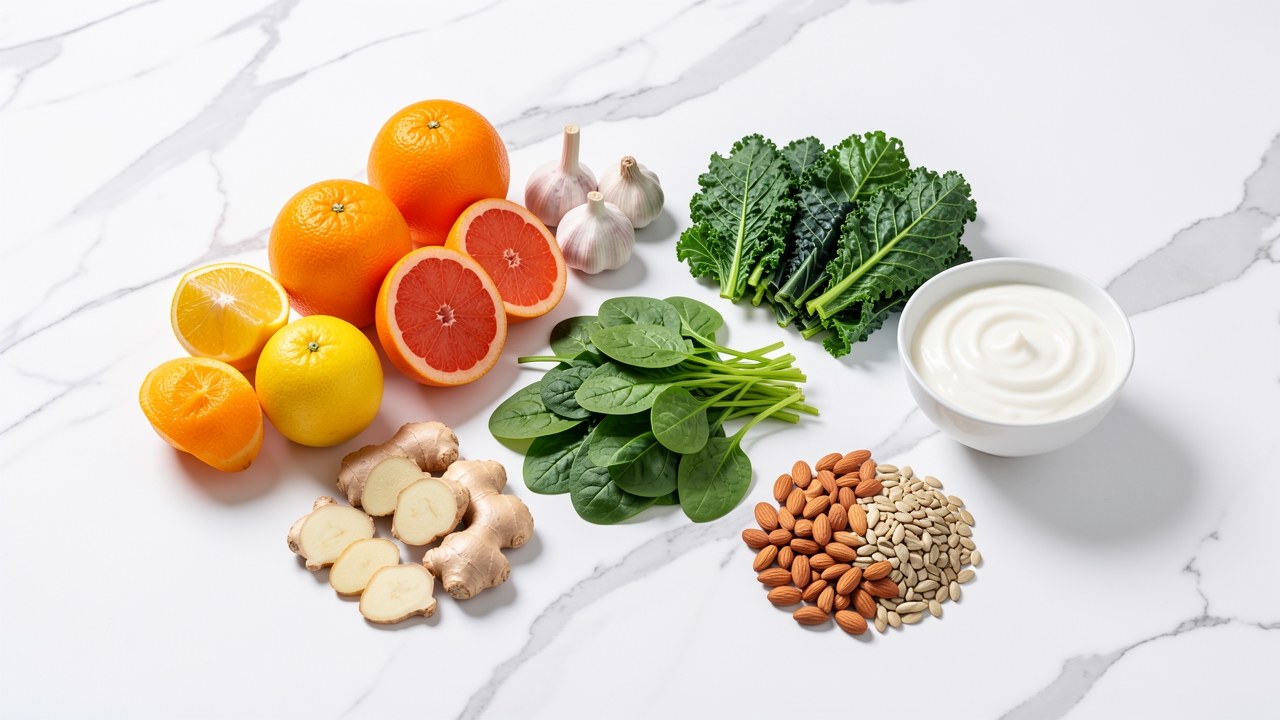
How to Use This List
This guide presents common foods that may support normal immune function, based on a peer-reviewed review and credible health sources. The foods are grouped by key nutrients or beneficial compounds. Use this list to identify options you can incorporate into balanced meals and snacks.
Remember that no single food guarantees improved immunity or prevents illness. A balanced diet, along with adequate sleep, physical activity, and other healthy habits, plays the most important role. Individual responses can vary, and food preparation and storage affect nutrient content.
- Use each entry as a starting point for meal planning.
- Aim for variety across food groups to obtain a range of nutrients.
- Focus on whole foods rather than relying on supplements.
Citrus Fruits and Vitamin C
Citrus fruits such as oranges, grapefruit, lemons, and limes are well known for their high vitamin C content. Vitamin C supports immune function by helping maintain the epithelial barrier and promoting the development of lymphocytes and phagocytes, key immune cells.
While citrus is the classic source, other fruits and vegetables like red bell peppers, broccoli, and spinach also provide generous amounts of vitamin C, often surpassing citrus. Including a variety of these foods helps you meet your daily needs.
- Oranges and grapefruit can be eaten as snacks or added to salads.
- Squeeze lemon or lime into water or over cooked dishes.
- Red bell peppers are an excellent source of vitamin C, with some varieties providing more than citrus fruits.
Sources: Food Science & Nutrition (Wiley, PMC), Healthline, Clinical Education
Garlic, Onions, and Sulfur Compounds
Garlic contains sulfur compounds, including allicin, which are linked to immune-boosting properties. Allicin and related compounds may stimulate natural killer cells, macrophages, and other immune cells, enhancing the body's defense response.
Like garlic, onions contain sulfur compounds and prebiotic fibers that support a healthy gut microbiome, which is important for immune function. Leeks and shallots are related options with similar benefits.
- Add crushed or chopped garlic to soups, stir-fries, and marinades.
- Use onions as a flavor base in many savory dishes.
- Consume garlic raw or lightly cooked; allicin forms when garlic is crushed or chopped.
Sources: Food Science & Nutrition (Wiley, PMC), Smith's Food and Drug, Healthline
Ginger and Turmeric: Anti-Inflammatory Spices
Ginger and turmeric are spices with anti-inflammatory and antioxidant properties. Ginger contains gingerol, a bioactive compound that may help reduce inflammation and support immune response. Turmeric's active compound, curcumin, has been shown to modulate the function of immune cells such as B cells, T cells, and macrophages.
These spices can be used fresh, dried, or in teas. Combining them with black pepper may enhance curcumin absorption.
- Add fresh ginger to smoothies, tea, or stir-fries.
- Use turmeric in curries, rice dishes, or golden milk.
- Pair turmeric with black pepper to improve absorption of curcumin.
Sources: Food Science & Nutrition (Wiley, PMC), Schiff Vitamins, Healthline
Yogurt, Kefir, and Fermented Foods
Yogurt and kefir that contain live active cultures provide probiotics, which support gut health. A healthy gut microbiome is linked to improved immune function, as a significant portion of the immune system resides in the gut.
Fermented foods like sauerkraut, kimchi, miso, and tempeh also introduce beneficial bacteria. In addition to probiotics, prebiotic foods—such as garlic, onions, and leeks—feed the good bacteria and support a balanced microbiome.
- Choose yogurt labeled with 'live active cultures'.
- Try kefir as a drinkable option.
- Incorporate a variety of fermented foods to diversify your gut bacteria.
Sources: Food Science & Nutrition (Wiley, PMC), Smith's Food and Drug, Schiff Vitamins, Healthline
Leafy Greens and Colorful Vegetables
Leafy greens like spinach and kale are rich in vitamin C, beta-carotene, and antioxidants, which can increase the infection-fighting ability of the immune system. Broccoli is another standout, providing vitamins A, C, and E, along with sulforaphane, a compound with anti-inflammatory activities.
Colorful vegetables, including red bell peppers and carrots, deliver a range of antioxidants that help reduce oxidative stress. Carrots, for example, are rich in beta-carotene, a precursor to vitamin A, which supports immune function. Variety is key: each color provides different beneficial compounds.
- Include spinach in salads, smoothies, or sautés.
- Steam broccoli lightly to preserve nutrients.
- Snack on raw bell peppers or carrot sticks with hummus.
Sources: Food Science & Nutrition (Wiley, PMC), Schiff Vitamins, Healthline
Nuts, Seeds, and Healthy Fats
Almonds and other nuts are excellent sources of vitamin E, a fat-soluble antioxidant that supports immune function, particularly T-cell development. Healthy fats, such as those in olive oil and avocados, help absorb fat-soluble vitamins like A, D, and E.
Seeds like sunflower seeds are also rich in vitamin E, while walnuts provide omega-3 fatty acids and antioxidants. Including a small handful of nuts or seeds daily contributes to your nutrient intake.
- Aim for a small handful of almonds or sunflower seeds as a snack.
- Use olive oil in salad dressings or for cooking at moderate temperatures.
- Add ground flaxseeds or chia seeds to oatmeal or yogurt.
Sources: Food Science & Nutrition (Wiley, PMC), Schiff Vitamins
Lean Proteins: Poultry, Fish, and Beans
Protein is essential for building and repairing tissues, and many protein-rich foods also provide key nutrients like zinc and selenium. Poultry, such as chicken and turkey, supplies B vitamins and zinc. Fish, especially fatty fish like salmon, offers vitamin D and omega-3 fatty acids, which support immune function.
Beans and legumes are plant-based sources of protein, zinc, and iron. For example, chickpeas and lentils are versatile and nutritious. Including a variety of protein sources ensures you get adequate amounts of immune-supporting nutrients.
- Choose lean cuts of poultry and fish.
- Incorporate vegetarian meals featuring beans or lentils.
- Fatty fish like salmon also provide vitamin D and omega-3s.
Sources: Food Science & Nutrition (Wiley, PMC), Schiff Vitamins, Healthline
Putting It Together: Sample Combinations
Here are a few simple meal ideas that incorporate several immune-supportive foods. These are not complete recipes but suggestions to inspire your meal planning.
For breakfast, mix plain yogurt with berries and a sprinkle of almonds. Add a pinch of turmeric to scrambled eggs or an omelet with spinach.
For lunch, enjoy a spinach salad topped with grilled chicken, red bell peppers, and a citrus vinaigrette. Or make a lentil soup with garlic and turmeric.
For dinner, bake salmon with a ginger-turmeric glaze and serve it with steamed broccoli and quinoa. For a vegetarian option, stir-fry tofu with colorful vegetables and a garlic-soy sauce.
Snack on citrus fruit, carrots with hummus, or a handful of walnuts.
- Combine foods to cover multiple nutrient groups.
- Use herbs and spices liberally for flavor and potential benefits.
- Aim for a rainbow of fruits and vegetables over the day.
Vitamin C-Rich Foods
Vitamin C is a water-soluble vitamin that supports various immune functions. The best sources are fruits and vegetables, especially citrus fruits, red bell peppers, broccoli, and spinach. Many people associate vitamin C with oranges, but you can get ample amounts from other foods as well.
Since your body does not store vitamin C, regular intake is important. Cooking can reduce vitamin C content, so eat some raw fruits or vegetables daily.
- Include at least one serving of vitamin C-rich food each day.
- Good sources include citrus fruits, red bell peppers, broccoli, and spinach.
- These foods provide vitamin C in varying amounts; check nutrition labels for specific values.
Sources: Food Science & Nutrition (Wiley, PMC), Healthline, Clinical Education
Vitamin D-Rich Foods
Vitamin D is a fat-soluble vitamin that plays a role in immune regulation. While the body can synthesize vitamin D from sunlight, it is also found in certain foods. Fatty fish like salmon, trout, and sardines are good sources, and some mushrooms contain vitamin D2 when exposed to UV light.
Egg yolks and fortified foods like milk and cereal also contribute to vitamin D intake. However, many people have low vitamin D levels, especially in winter or with limited sun exposure. Food sources alone may not be sufficient for everyone, so consult a healthcare provider about testing and supplementation if you are concerned.
- Include fatty fish in your diet at least twice a week.
- Look for mushrooms labeled as UV-treated.
- If considering a supplement, talk to your doctor to determine the right dosage.
Zinc-Rich Foods
Zinc is a mineral that is crucial for immune cell development and function. It is found in oysters, which are among the richest sources, and in red meat, poultry, beans, nuts, and whole grains. Zinc deficiency can impair immune response, so adequate intake is important.
Since the body does not store zinc, regular consumption is necessary. Vegetarian sources like beans and nuts may have lower absorption due to phytates, but soaking or sprouting can help.
- Oysters are an excellent source, but not a daily staple.
- Poultry and beans provide zinc for most people.
- Pair zinc-rich foods with citrus fruits to enhance absorption (vitamin C may improve zinc uptake).
Other Nutrient Highlights and Summary Table
In addition to vitamins A, C, D, E, and zinc, other nutrients like selenium and beta-glucan also support immune health. Mushrooms, for example, contain selenium and beta-glucan, which help natural killer cells, T cells, and macrophages function. Green tea provides flavonoids and L-theanine, which may support immune defenses.
The following table summarizes key nutrients and food sources for quick reference. Use it to plan balanced meals.
| Nutrient | Role (brief) | Food sources |
|---|---|---|
| Vitamin C | Supports epithelial barrier and immune cell development | Citrus fruits, red bell peppers, broccoli, spinach |
| Vitamin A | Helps regulate immune responses and maintain mucosal surfaces | Sweet potatoes, carrots, leafy greens |
| Vitamin D | Modulates immune function | Fatty fish, UV-treated mushrooms, fortified dairy |
| Vitamin E | Antioxidant that supports T-cell development | Almonds, sunflower seeds, spinach |
| Zinc | Crucial for immune cell growth and function | Oysters, poultry, beans, nuts |
| Selenium | Antioxidant and supports immune cells | Mushrooms, tuna, and other seafood |
| Beta-glucan | Supports natural killer cells and other immune cells | Mushrooms |
Sources: Food Science & Nutrition (Wiley, PMC), Schiff Vitamins, Healthline
Frequently asked questions
Are there any foods that can weaken the immune system?
A diet high in processed foods, added sugars, and unhealthy fats may promote inflammation and negatively affect immune function over time. Excessive alcohol intake and smoking also impair immunity. Focus on a balanced diet with whole foods to support your immune system.
Sources: Food Science & Nutrition (Wiley, PMC), HealthlineShould I eat organic foods for better immunity?
Organic foods may reduce exposure to pesticides, but there is limited direct evidence that organic produce significantly boosts immunity compared to conventionally grown produce. The most important factor is eating a variety of fruits and vegetables, regardless of farming method. If organic is within your budget, it can be a personal choice.
Sources: Food Science & Nutrition (Wiley, PMC), HealthlineHow many servings of fruits and vegetables do I need daily?
General dietary guidelines recommend at least 5 servings of fruits and vegetables per day. For example, the U.S. Dietary Guidelines suggest 2 cups of fruit and 2.5 cups of vegetables for a 2,000-calorie diet. A serving typically equals one cup of raw leafy greens, one medium fruit, or half a cup of chopped produce.
Sources: Healthline, Clinical EducationCan spices really boost immunity?
Certain spices like ginger and turmeric have anti-inflammatory and antioxidant properties. Their active compounds, such as gingerol and curcumin, may influence immune cell activity. While promising, research is largely from lab studies, so include them as flavor enhancers in a healthy diet rather than relying on them alone.
Sources: Food Science & Nutrition (Wiley, PMC), HealthlineIs it better to get nutrients from food or supplements?
Foods provide a complex matrix of nutrients and other beneficial compounds that work together, which supplements often lack. Most experts recommend getting nutrients from food first. Supplements can help address specific deficiencies, but should be taken with medical guidance to avoid excessive intake.
Sources: Food Science & Nutrition (Wiley, PMC), HealthlineCan eating a variety of these foods guarantee I won't get sick?
No. No single food or food group can guarantee improved immunity or prevent illness. A balanced diet supports immune function, but your overall health, sleep, stress management, and hygiene are also crucial. Many factors influence whether you get sick, so it is not a guarantee.
Sources: Food Science & Nutrition (Wiley, PMC)Sources
- Common foods for boosting human immunity: A review — Food Science & Nutrition (Wiley, PMC)
- 7 Immune-Boosting Foods - Smith's Food and Drug — Smith's Food and Drug
- 12 Foods that Boost the Immune System — Schiff Vitamins
- 15 Foods That Boost the Immune System: Citrus, Bell Peppers & More — Healthline
- Key Foods to Boost the Immune System — Clinical Education