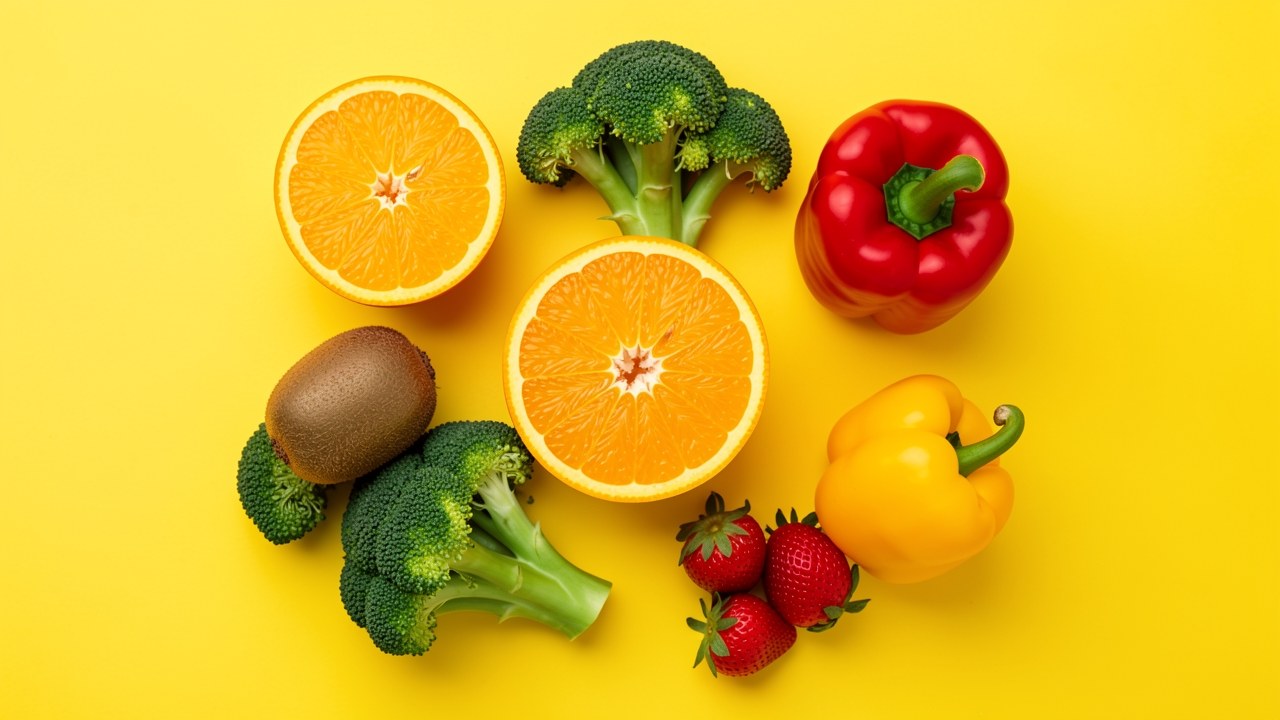
Vitamin C's Role in Immune Function
Vitamin C is an essential nutrient that your body needs for several vital processes. It is required for the synthesis of collagen, L-carnitine, and certain neurotransmitters, and it also plays a role in protein metabolism. As an antioxidant, vitamin C helps protect your cells from damage caused by free radicals—unstable molecules that can harm cells over time.
One of the most recognized roles of vitamin C is its support for the immune system. According to the National Institutes of Health (NIH), vitamin C is necessary for the immune system to work properly to protect the body from infection. This does not mean that loading up on vitamin C will make you invincible, but it underscores that a consistent intake of this nutrient is part of a normally functioning immune response.
Sources: Office of Dietary Supplements, National Institutes of Health
Recommended Daily Intake and Tolerable Upper Limit
How much vitamin C do you need each day? The Recommended Dietary Allowance (RDA) is 90 milligrams (mg) for adult men and 75 mg for adult women. If you smoke, you need an additional 35 mg per day, bringing the recommendation to 125 mg for men and 110 mg for women who smoke. These amounts are easily achievable through a diet that includes fruits and vegetables.
While getting enough vitamin C is important, more is not necessarily better. The Tolerable Upper Intake Level (UL) for adults is 2,000 mg per day. Consuming more than this from supplements may lead to digestive discomfort or diarrhea. The NIH advises staying below this level to avoid adverse effects.
- Adult men: 90 mg/day
- Adult women: 75 mg/day
- Smokers: add 35 mg/day
- Upper limit: 2,000 mg/day
Sources: Office of Dietary Supplements, National Institutes of Health
Top Vitamin C-Rich Foods and Their Content
Fruits and vegetables are the best sources of vitamin C. Citrus fruits such as oranges and grapefruit are good sources, but you might be surprised to learn that some other foods pack even more vitamin C per serving. Red and green bell peppers, kiwifruit, broccoli, and strawberries are also excellent choices. For example, red bell pepper contains about three times as much vitamin C as an orange by weight.
The following table lists several common foods and their typical vitamin C content, based on data from the NIH Office of Dietary Supplements. Remember that actual amounts can vary depending on the variety, ripeness, and how the food is prepared.
| Food | Serving Size | Vitamin C (mg) |
|---|---|---|
| Red bell pepper | 1/2 cup raw | 95 |
| Orange juice | 3/4 cup | 93 |
| Orange | 1 medium | 70 |
| Kiwifruit | 1 medium | 64 |
| Cooked broccoli | 1/2 cup | 51 |
Sources: Office of Dietary Supplements, National Institutes of Health, GoodRx
Does Cooking Destroy Vitamin C?
Vitamin C is sensitive to heat and can be lost during cooking. The NIH notes that the vitamin C content of food may be reduced by prolonged storage and by cooking. However, the extent of loss depends on the method. Steaming or microwaving tends to cause less loss than boiling, because these methods use less water and shorter cooking times. To preserve vitamin C, consider eating some fruits and vegetables raw, as many of the best food sources are usually consumed raw anyway. When you do cook, opt for gentle methods like steaming or microwaving.
Sources: Office of Dietary Supplements, National Institutes of Health, GoodRx
Vitamin C Supplements vs. Food
You might wonder whether vitamin C from supplements is as good as from food. The active form in most supplements is ascorbic acid, which has equivalent bioavailability to naturally occurring ascorbic acid in foods. This means your body can absorb and use it just as effectively. However, foods rich in vitamin C also provide other beneficial nutrients like fiber, antioxidants, and phytochemicals. A balanced diet that includes a variety of fruits and vegetables is generally the best way to support overall health, including immune function.
Sources: Office of Dietary Supplements, National Institutes of Health
Frequently asked questions
Can vitamin C prevent the common cold?
Research indicates that taking vitamin C regularly does not prevent colds in the general population. However, some evidence suggests that regular supplementation may slightly shorten the duration of a cold or reduce the severity of symptoms. It is not a cure, but maintaining adequate vitamin C levels is part of a healthy immune system.
Sources: Office of Dietary Supplements, National Institutes of Health, Cleveland ClinicWhich fruit has the most vitamin C?
Among common fruits, kiwifruit is very high in vitamin C, with about 64 mg per medium fruit. However, red bell pepper, often considered a vegetable, actually has more vitamin C per serving than most fruits—95 mg per half cup. Citrus fruits like oranges are also good sources, with about 70 mg per medium orange.
Sources: Office of Dietary Supplements, National Institutes of Health, Cleveland Clinic, GoodRxWhat are the signs of vitamin C deficiency?
Severe vitamin C deficiency leads to scurvy, which is rare today. Early signs can include fatigue, weakness, and irritability. If deficiency progresses, it can cause swollen and bleeding gums, joint pain, and poor wound healing. Eating a diet with adequate fruits and vegetables typically prevents deficiency.
Sources: Office of Dietary Supplements, National Institutes of HealthIs it possible to get too much vitamin C from food?
It is very unlikely to consume excess vitamin C from food alone. The upper limit of 2,000 mg per day for adults is far above what you could achieve by eating fruits and vegetables. Toxicity from vitamin C is more a concern with high-dose supplements, which can cause digestive upset.
Sources: Office of Dietary Supplements, National Institutes of HealthShould I take vitamin C supplements to boost immunity?
Unless you have a diagnosed deficiency or a medical reason, supplements are not necessary for most people. A diet rich in fruits and vegetables provides sufficient vitamin C to support immune function. If you do take supplements, be aware that they are not proven to prevent colds and that taking amounts above the upper limit can cause side effects.
Sources: Office of Dietary Supplements, National Institutes of Health, Cleveland ClinicSources
- Vitamin C - Health Professional Fact Sheet — Office of Dietary Supplements, National Institutes of Health
- Vitamin C - Consumer — Office of Dietary Supplements, National Institutes of Health
- 12 Foods That Help Boost Your Immune System — Cleveland Clinic
- 14 of the Top Foods High in Vitamin C — GoodRx