What Zinc Does for Immune Function
Zinc is an essential mineral that your body cannot make on its own, so it must come from food or supplements. It is involved in many aspects of cellular metabolism, including immune function, protein and DNA synthesis, and wound healing. Zinc also plays a role in cell signaling and helps the immune system develop and activate certain white blood cells, including T cells.
In a study funded by the U.S. Department of Agriculture, older adults with low blood zinc who took a zinc supplement for three months showed greater T-cell responses than those taking a smaller amount, highlighting the mineral's importance for immune health. While the body needs zinc to mount a proper immune response, it is also possible to get too much, which may impair immune function. A balanced approach through food is generally safest.
Sources: National Institutes of Health, Office of Dietary Supplements, USDA Agricultural Research Service, Healthline
Daily Zinc Needs
In the United States, the Recommended Dietary Allowance (RDA) for zinc is 11 milligrams (mg) per day for adult men and 8 mg per day for adult women. The RDA varies by life stage and is higher during pregnancy and breastfeeding. For example, teen boys need 11 mg, teen girls need 9 mg, pregnant teens and women need 12 mg and 11 mg respectively, and breastfeeding teens and women need 13 mg and 12 mg.
The U.S. food supply provides an estimated 12.3 mg of zinc per person per day, and most people in the United States get enough zinc from the foods they eat. However, certain groups, including people with gastrointestinal disorders, vegetarians, and pregnant or lactating women, may be at risk of not meeting their needs.
- Adults: 11 mg for men, 8 mg for women.
- Adolescents (14–18 years): 11 mg for boys, 9 mg for girls.
- Pregnancy: 12 mg for teens, 11 mg for women.
- Breastfeeding: 13 mg for teens, 12 mg for women.
Sources: National Institutes of Health, Office of Dietary Supplements, Frontiers in Nutrition (via PMC)
Top Zinc-Rich Foods: Animal and Plant Sources
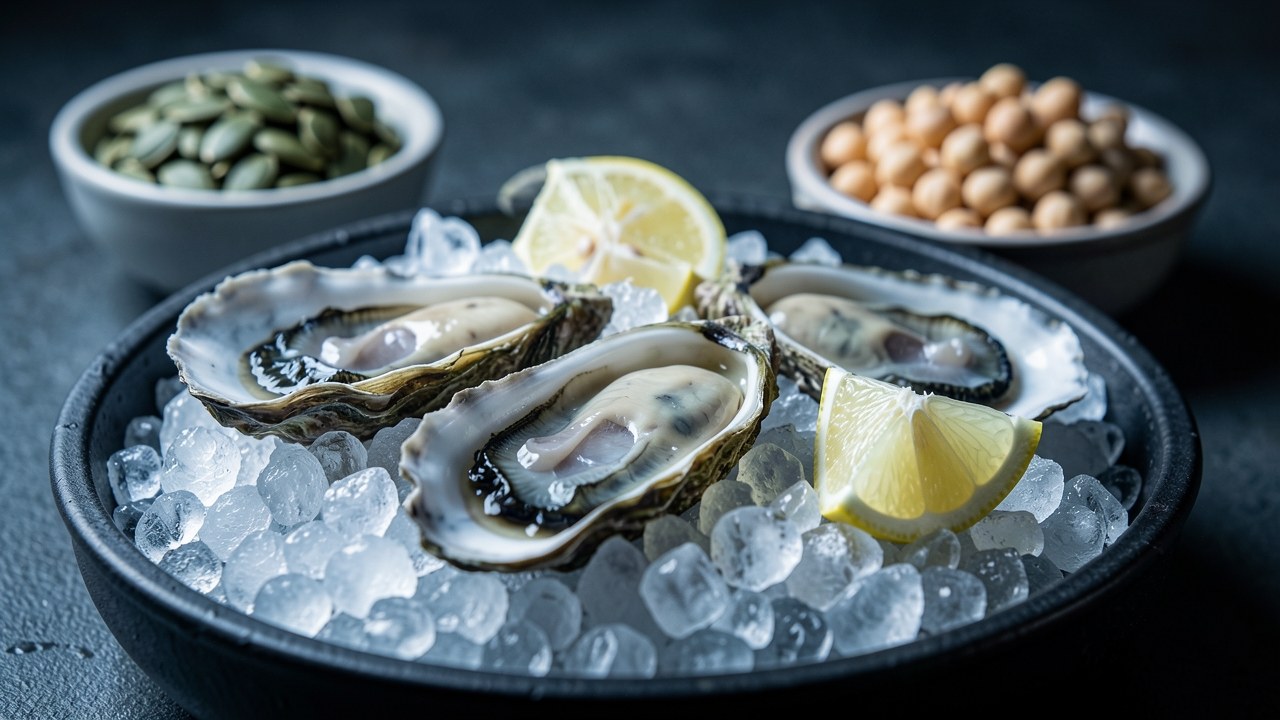
Oysters contain more zinc per serving than any other food, with six medium oysters providing 33 mg. Other animal sources include beef, pork, chicken, turkey, crab, and other shellfish. A 3-ounce serving of cooked beef sirloin provides about 4 mg, while a cooked ground beef patty of the same size offers just over 5 mg. A 3-ounce serving of blue crab gives about 3 mg, and dark meat chicken provides about 1.5 mg per 3 ounces, compared with about 0.7 mg for white meat.
Plant-based sources include beans, nuts, whole grains, and fortified breakfast cereals. For example, half a cup of boiled lentils contains about 1 mg of zinc, and an ounce of raw cashews provides 1.5 mg. Some ready-to-eat breakfast cereals are fortified with zinc, providing about 25% of the Daily Value per serving, which is just under 3 mg. However, zinc from plant foods is less bioavailable because they contain phytates, which bind zinc and inhibit absorption.
- Animal sources: oysters, beef, pork, chicken, turkey, crab, shellfish.
- Plant sources: beans, lentils, chickpeas, nuts, whole grains, fortified cereals.
- Beef contributes 20% of zinc intakes in the U.S. because it is commonly consumed.
| Food | Serving | Zinc (mg) |
|---|---|---|
| Oysters, cooked | 6 medium | 33 |
| Ground beef, cooked | 3 ounces | 5 |
| Beef sirloin, roasted | 3 ounces | 4 |
| Blue crab, cooked | 3 ounces | 3 |
| Fortified breakfast cereal | 1 serving | 3 |
| Dark meat chicken | 3 ounces | 1.5 |
| Turkey breast, roasted | 3 ounces | 1.5 |
| Cashews, dry roasted | 1 ounce | 1.5 |
| Lentils, boiled | 1/2 cup | 1 |
Sources: National Institutes of Health, Office of Dietary Supplements, Frontiers in Nutrition (via PMC), GoodRx
Factors Affecting Zinc Absorption
Zinc absorption can be influenced by other components in your diet. Plant foods contain phytates, naturally occurring compounds that bind zinc and reduce how much your body can absorb. Animal-based sources of zinc do not contain phytates, so zinc from meat, poultry, and seafood is generally more bioavailable.
Cooking and food processing methods, such as leavening whole-grain breads, can reduce phytate levels and increase zinc bioavailability. For people who eat a plant-based diet, this can be helpful in getting more zinc from food. Because zinc from plant sources is less bioavailable, vegetarians and vegans may need to consume more zinc than the RDA to meet their needs, although there is no official adjustment to the recommended amounts.
Sources: National Institutes of Health, Office of Dietary Supplements, GoodRx
Too Much Zinc and Supplement Cautions
Getting too much zinc from supplements can cause adverse effects. In the United States, the Tolerable Upper Intake Level (UL) for zinc is 40 mg per day for adults, meaning that consuming more than this from food and supplements combined may increase the risk of health problems. High doses of zinc can inhibit immune system function, so it is not a nutrient to overdo.
Because most Americans already get enough zinc from their diets, it is generally safest to meet your zinc needs through food rather than supplements unless a healthcare provider recommends otherwise. If you are considering a zinc supplement, talk with your doctor about whether it is appropriate for your situation.
- Do not exceed the UL of 40 mg per day for adults.
- Very high zinc intakes may impair immune function.
- Check with your doctor before taking a zinc supplement, especially if you have a medical condition or take other medications.
Sources: Frontiers in Nutrition (via PMC), Healthline
Frequently asked questions
Can I get enough zinc from food alone?
Yes, most people in the United States get enough zinc from food alone. The average dietary intake is about 12.3 mg per day, which is above the recommended amounts for men and women. Good animal sources include oysters, beef, and crab, while plant sources such as beans, nuts, and fortified cereals contribute too. If you have a restricted diet or a condition that affects absorption, you may need to be more careful about choosing zinc-rich foods.
Sources: National Institutes of Health, Office of Dietary Supplements, Frontiers in Nutrition (via PMC)Which foods have the highest zinc content?
Oysters have the highest zinc content of any food, with six medium oysters providing 33 mg. Red meat, poultry, crab, and other seafood are also rich sources. For example, a 3-ounce serving of cooked beef sirloin provides about 4 mg, and the same amount of ground beef has just over 5 mg. Fortified cereals can deliver around 3 mg per serving, and some legumes and nuts provide smaller but useful amounts.
Sources: Frontiers in Nutrition (via PMC), GoodRxDoes cooking affect zinc levels in foods?
Cooking can affect zinc bioavailability, especially in plant foods. Methods such as leavening whole-grain breads reduce phytate levels, which can increase how much zinc your body absorbs. Cooking itself does not destroy zinc, but it may alter the food's structure in ways that help or hinder absorption depending on the food.
Sources: National Institutes of Health, Office of Dietary SupplementsWhat are symptoms of zinc deficiency?
Possible signs of zinc deficiency include hair loss, impaired sense of taste and smell, and poor wound healing. Zinc also plays a critical role in immune function, so low levels may affect immune responses. If you suspect a deficiency, it's important to talk with your doctor rather than self-treating with high-dose supplements, because too much zinc can be harmful.
Sources: National Institutes of Health, Office of Dietary Supplements, GoodRxShould I take a zinc supplement?
Most people do not need a zinc supplement because they get enough from food. However, certain groups may be at higher risk, including people with gastrointestinal disorders, vegetarians, and pregnant or lactating women. A USDA-funded study found that older adults with low blood zinc who took 30 mg of supplemental zinc daily for three months showed improved immune responses. Only take a supplement under the guidance of a healthcare provider, since the upper limit is 40 mg per day and too much can interfere with immune function.
Sources: National Institutes of Health, Office of Dietary Supplements, USDA Agricultural Research ServiceHow does zinc interact with other nutrients?
Zinc interacts with other nutrients in several ways. High zinc intakes can interfere with copper absorption, potentially leading to copper deficiency. Phytates in plant foods bind zinc and reduce its absorption. Animal-based sources of zinc do not contain phytates, so zinc from these foods is generally more bioavailable.
Sources: National Institutes of Health, Office of Dietary Supplements, Frontiers in Nutrition (via PMC)Sources
- Zinc - Health Professional Fact Sheet - Office of Dietary Supplements (ODS) — National Institutes of Health, Office of Dietary Supplements
- Zinc - Consumer — National Institutes of Health, Office of Dietary Supplements
- The nutritional roles of zinc for immune system and COVID-19 patients — Frontiers in Nutrition (via PMC)
- Adequate Zinc Vital to Healthy Immune Response — USDA Agricultural Research Service
- 15 Foods That Boost the Immune System: Citrus, Bell Peppers & More — Healthline
- 12 Foods High in Zinc - GoodRx — GoodRx